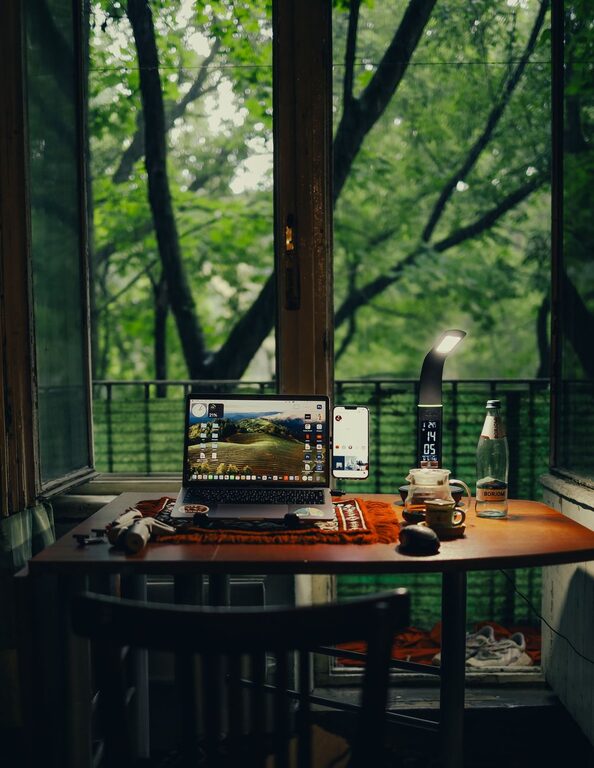
Creating a relaxing home workspace is essential for maintaining focus, reducing stress, and boosting productivity. When your work environment supports your well-being, you’ll find it easier to stay motivated and complete tasks efficiently. In this post, we’ll explore practical tips to design a calm and productive home office that suits your needs.
Why a Relaxing Workspace Matters
A workspace that promotes relaxation can improve concentration and increase overall work output. Stress and clutter distract the mind, while a well-organized, soothing setting helps you stay calm and focused. This balance is especially important when working remotely, as the line between home and work life can blur easily.
Choosing the Right Location
Consider Natural Light
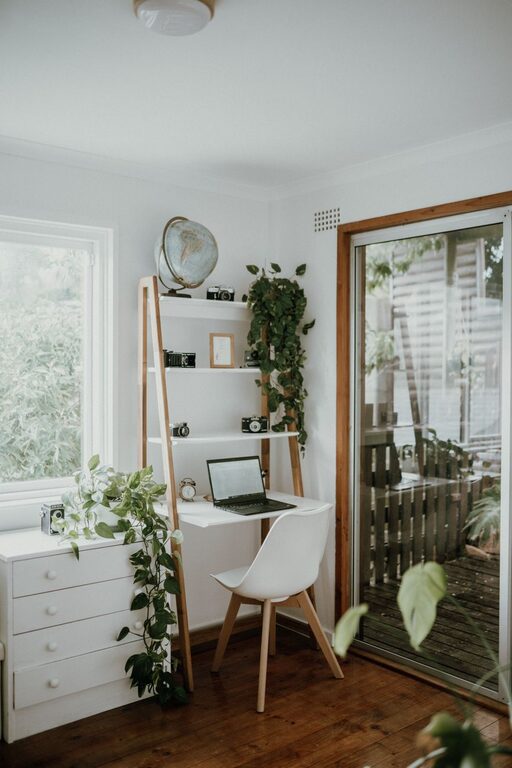
Whenever possible, set up your workspace near a window. Natural light boosts mood and reduces eye strain. If windows are limited, use daylight-mimicking bulbs for a similar effect.
Minimize Noise Distractions
Find a quiet spot away from household noise. Noise-canceling headphones or a white noise machine can help if background sounds are difficult to avoid.
Separate Work from Leisure Areas
Designate a specific area just for work. This physical separation signals to your brain that it’s time to focus and aids in work-life balance.
Ergonomics and Comfort
Invest in a Good Chair
An adjustable chair with lumbar support reduces back pain during long work hours. Comfort encourages better posture, which helps you stay alert and focused.
Adjust Desk and Monitor Height
Your desk and screen should be at a height where your eyes are level with the top of your monitor, and your arms rest comfortably on the desk.
Use Comfortable Accessories
Consider a keyboard and mouse designed to reduce strain. Wrist rests or ergonomic pads can help prevent discomfort.
Personalizing Your Workspace for Calmness
Choose Calming Colors
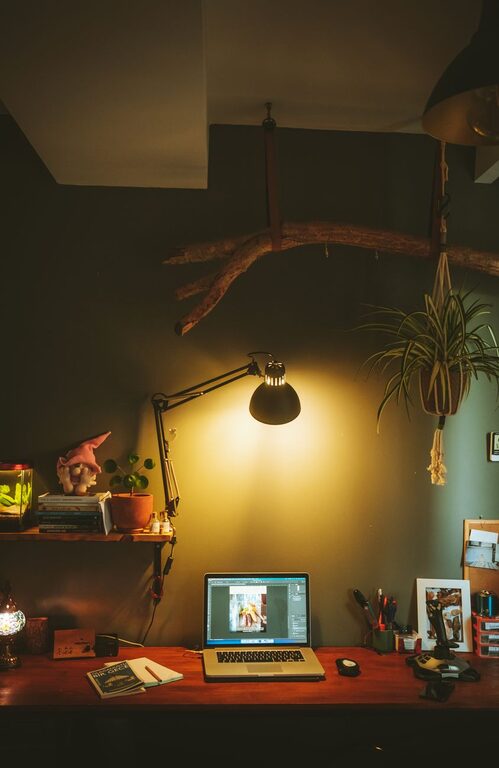
Soft, neutral tones such as light blues, greens, or off-whites help create a relaxing atmosphere. Avoid overly bright or harsh colors that may increase stress.
Add Plants
Indoor plants bring a touch of nature indoors, improve air quality, and have been shown to reduce stress.
Keep Decor Minimal
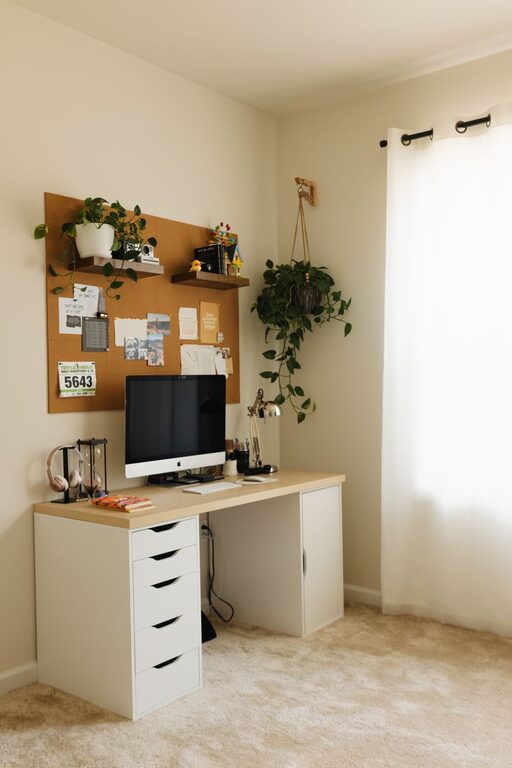
Limit the number of decorations on your desk and walls to avoid overstimulation. Select a few meaningful items that inspire or motivate you.
Organizing to Reduce Clutter
Use Smart Storage Solutions
Shelves, drawers, and containers keep supplies tidy and accessible. Labeling drawers and boxes can save time searching for items.
Maintain Daily Clean-Up Habits
Spend a few minutes at the end of each day clearing your workspace. A clean desk helps you start fresh the next morning without distractions.
Digitize Documents
Keep physical paperwork to a minimum by scanning and organizing files digitally.
Incorporating Relaxation Breaks
Schedule Regular Breaks
Taking short breaks every hour can improve focus. Use this time to stretch, breathe deeply, or briefly step outside for fresh air.
Create a Mini Relaxation Zone
If space allows, add a comfortable chair or cushion nearby where you can briefly unwind during breaks.
Use Calming Sounds or Music
Soft instrumental music or nature sounds can reduce tension and improve concentration. Experiment to see what works best for you.
Optimizing Lighting and Air Quality
Use Adjustable Lighting
Desk lamps with adjustable brightness allow you to customize light levels depending on the time of day and task.
Keep Air Fresh
Proper ventilation or a small air purifier can enhance air quality, making your space feel fresher and more comfortable.
Technology Setup for Productivity
Ensure Reliable Internet
A strong internet connection reduces frustration and helps maintain seamless communication.
Manage Cables Neatly
Use cable organizers or clips to prevent cords from tangling, reducing visual clutter and safety hazards.
Limit Screen Glare
Position monitors to avoid reflections from windows or lights, reducing eye strain.
Summary: Creating Your Ideal Relaxing Workspace
Designing a relaxing home workspace is a balance between comfort, organization, and personalization. Focus on a quiet, well-lit space with ergonomic furniture and soothing decor. Keep the area tidy and incorporate regular breaks to maintain mental clarity. By following these tips, you can build a calm environment that supports your productivity and well-being every day.
About the Author