Creating a home office that feels both cozy and productive is essential in today’s work-from-home culture. Whether you’re setting up a new space or refreshing your current one, a thoughtfully designed office can boost your focus, creativity, and overall work satisfaction. In this post, we’ll explore tips to help you create a home office space that meets your needs for comfort and efficiency.
Why a Cozy and Productive Home Office Matters
Your home office isn’t just a place to work; it’s an environment that can influence how well you perform tasks and your mood throughout the day. When your workspace feels comfortable, you’re more likely to stay engaged and motivated. At the same time, productivity requires an uncluttered, functional area tailored to your work style. Balancing these aspects is key to a successful home office.
1. Choose the Right Location
Assess Your Space Options
Select a spot that suits your work routine. Ideally, this area should have minimal distractions, adequate lighting, and enough room for your work essentials. Popular choices include spare bedrooms, corners of the living room, or even a converted closet.
Consider Noise and Privacy
Think about how much privacy and quiet you need. If your work involves frequent calls or focused tasks, a quieter room or soundproofing measures might be necessary.
2. Invest in Comfortable Furniture
Ergonomic Chair and Desk
Comfort begins with the right furniture. Choose an ergonomic chair that supports your posture and a desk at the correct height. This helps prevent fatigue and discomfort during long work hours.
Personalize with Cushions or Throws
Add cushions, pillows, or a cozy throw blanket to your chair or nearby seating. These small touches make the space inviting and comfortable.
3. Optimize Lighting
Natural Light is Best
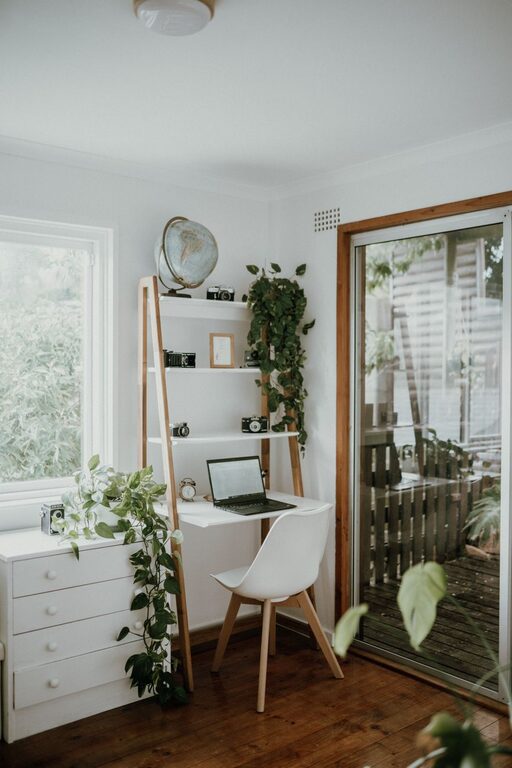
Whenever possible, place your desk near a window to take advantage of natural light. It reduces eye strain and helps regulate your daily rhythm.
Layer Your Lighting
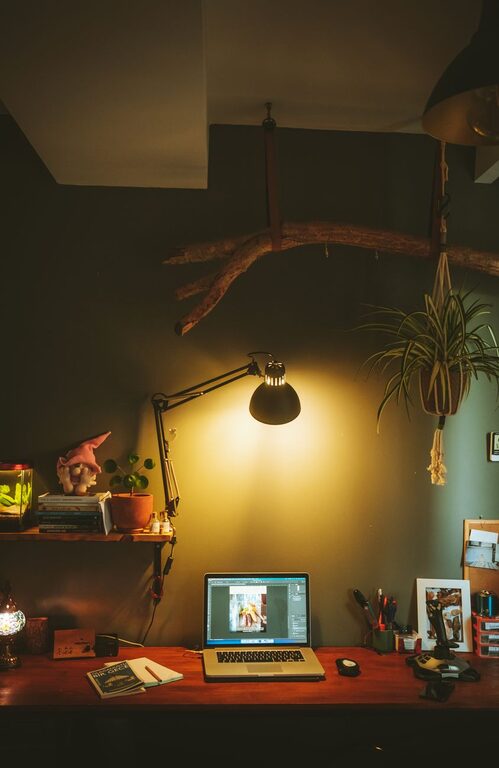
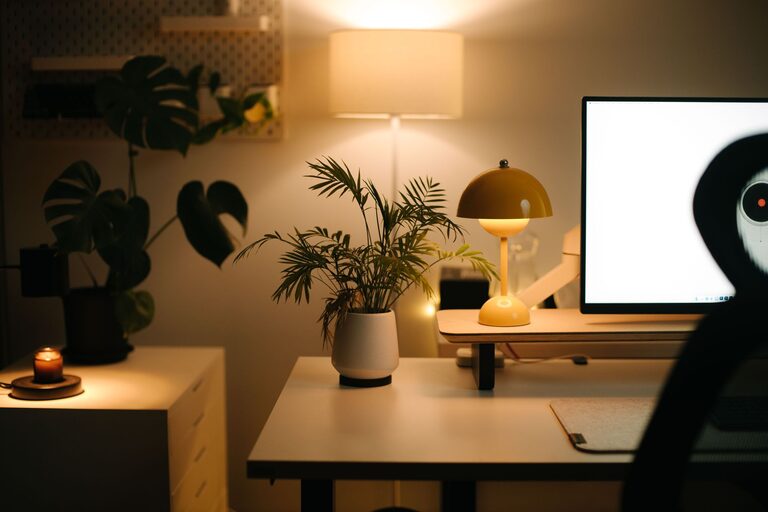
In addition to natural light, use a combination of overhead, task, and ambient lighting. A good desk lamp with adjustable brightness can make a significant difference during evening or cloudy days.
4. Organize for Efficiency
Declutter Regularly
Keep your workspace tidy by removing unnecessary items. A clean environment helps you focus and reduces stress.
Use Storage Solutions
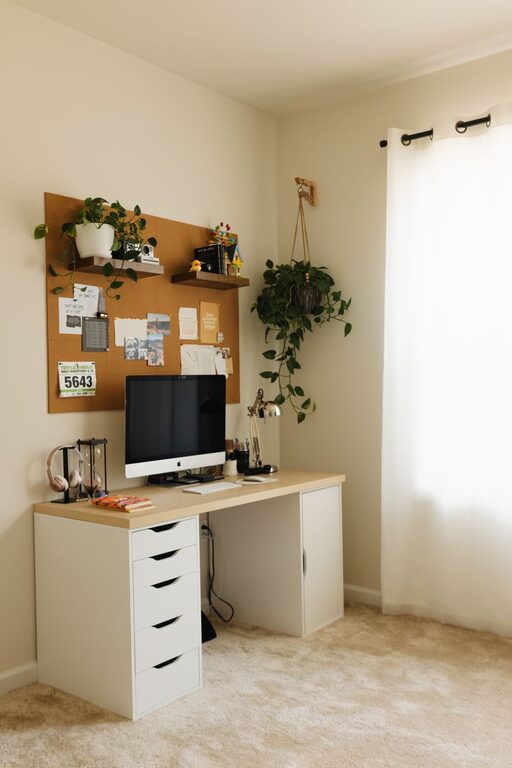
Shelves, cabinets, and drawer organizers keep supplies orderly and accessible. Label containers to save time when searching for items.
Digital Organization
Keep your computer desktop and digital files organized with folders and regular backups to complement your physical organization.
5. Add Personal and Cozy Touches
Incorporate Plants
Houseplants bring life to your office, improve air quality, and create a calming atmosphere.
Display Inspiring Items
Frame motivating quotes, personal photos, or artwork to make your space uniquely yours. These elements can boost morale and creativity.
Use Color Wisely
Choose colors that make you feel relaxed or energized. Soft hues like blues and greens promote calm, while brighter colors can stimulate creativity.
6. Manage Technology Wisely
Invest in Quality Equipment
Reliable technology — like a fast internet connection, a good headset, and a second monitor — can enhance your productivity.
Cable Management
Use cable organizers or clips to keep wires neat. This reduces clutter and prevents distractions.
7. Create Boundaries Between Work and Home Life
Define Your Work Area
Clearly set your workspace apart from the rest of your home to create a mental boundary between work and leisure.
End-of-Day Routine
Develop a ritual to “close” your office space at the end of the day, such as shutting down your computer or covering your desk, to help transition out of work mode.
8. Incorporate Movement and Breaks
Include a Standing Option
If possible, consider a sit-stand desk to switch positions throughout the day.
Plan Break Areas
Have a chair or small area nearby where you can take short breaks, stretch, or meditate to refresh your mind.
Final Thoughts
Creating a cozy and productive home office doesn’t require a complete overhaul. Small changes like adjusting your lighting, organizing, adding plants, or upgrading your chair can make a big difference. Tailor your space to fit your personality and work needs, and you’ll enjoy a more comfortable, efficient environment that supports your success.
Remember, your home office should be a place you look forward to working in every day. With thoughtful planning and a few simple adjustments, you can build a workspace that feels just right for you.
About the Author