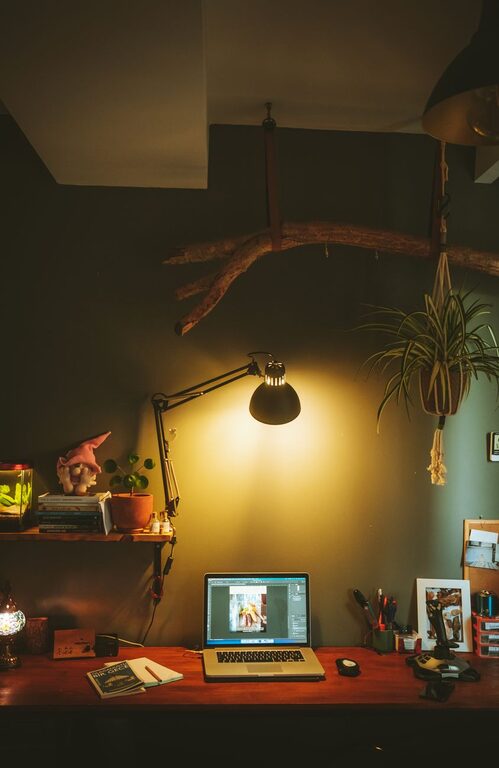
Creating a cozy and inviting home office is essential for anyone who spends a significant amount of time working from home. A well-designed workspace not only boosts productivity but also improves your mood and motivation. Whether you have a dedicated room or a small corner, transforming it into a comfortable environment can make a big difference in your daily work experience.
In this blog post, we’ll explore practical tips and ideas to help you design a home office that feels warm, welcoming, and functional.
1. Choose the Right Location
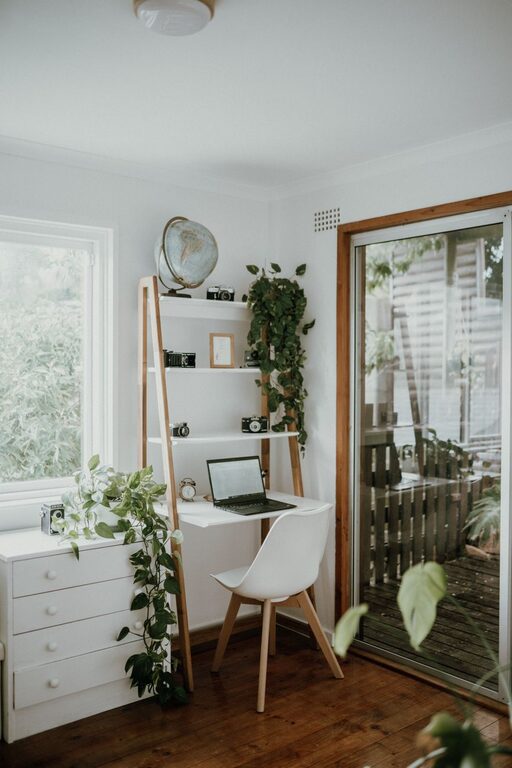
Finding the ideal spot for your home office is the first step. Look for a quiet area with minimal distractions and enough space for your desk and chair. If possible, position your desk near a window to take advantage of natural light, which enhances mood and reduces eye strain.
If space is limited, consider a multi-purpose area that you can tidy easily at the end of the day, such as a corner of your living room or bedroom.
2. Invest in Comfortable Furniture
Comfort is key for a productive home office. Invest in an ergonomic chair that supports your back and encourages good posture. A desk at the right height will prevent discomfort during long hours of work.
If you prefer, adjustable desks that allow standing and sitting can also add flexibility and promote movement throughout the day.
3. Use Soothing Colors and Textures
Colors have a significant impact on the feel of your space. Opt for soft, neutral tones like beige, light gray, or pastel shades to create a calm environment. You can add personality with accent colors through accessories such as cushions, rugs, or artwork.
Incorporate different textures to make the space feel warm and inviting. Think cozy rugs, soft curtains, or a knitted throw blanket on your chair.
4. Optimize Lighting
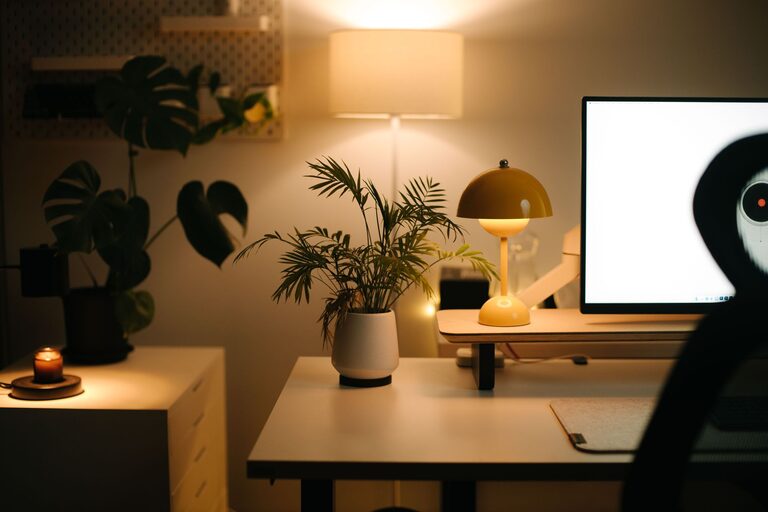
Lighting is one of the most important factors in creating a welcoming home office. Natural light is ideal, but when that’s not enough, use a combination of task lighting and ambient lighting.
A desk lamp with adjustable brightness can reduce eye strain and improve focus. Warm light bulbs create a relaxing atmosphere compared to harsh, cold lights.
5. Personalize Your Space
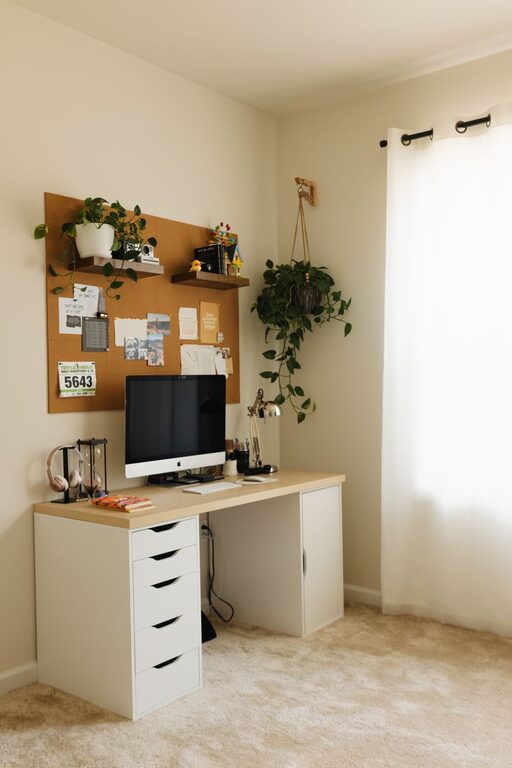
Personal touches make your office feel uniquely yours, helping you stay motivated. Display photos, inspirational quotes, or artwork that bring you joy. Add plants to bring life and freshness to your workspace—it’s proven that having greenery indoors can reduce stress.
Avoid clutter by organizing these personal items neatly so your space stays tidy and efficient.
6. Keep Your Workspace Organized
A clutter-free area helps you concentrate and feel less overwhelmed. Use storage solutions like shelves, drawers, and desk organizers to keep essentials within reach but out of the way.
Consider labeling containers and file holders to make it easier to find documents or supplies. Clean your desk at the end of each day to maintain a fresh start every morning.
7. Incorporate Technology Thoughtfully
Technology can enhance your workspace but also create distractions if not managed well. Set up your computer, printer, and other devices neatly with enough cables hidden away. Use wireless devices when possible to reduce clutter.
Choose headphones with noise-canceling features if you need to focus or block out household noise. Keep chargers and tech accessories organized in one spot to avoid a messy area.
8. Add Comfort and Relaxation Areas
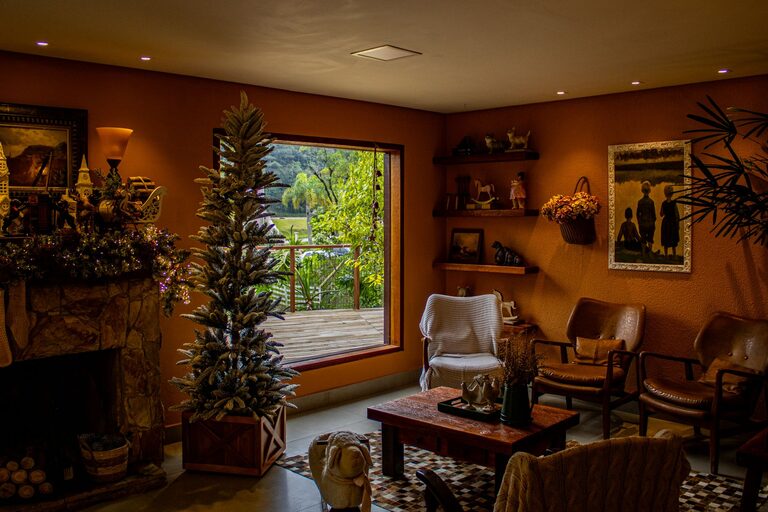
If space allows, include a small area for breaks and relaxation. A comfy chair or small sofa nearby can give you a spot to stretch and recharge away from your desk.
Include items like a soft blanket, a small side table for your coffee, or even a diffuser with calming scents. Taking short, mindful breaks can improve focus and reduce fatigue.
9. Set Boundaries and Routine
Creating a cozy home office also means treating the space as a professional environment. Set clear work hours and communicate boundaries to others in your household.
Use visual cues such as closing a door or putting up a “Do Not Disturb” sign to indicate work time. Consistent routines help you transition into and out of work mode, making your workspace feel inviting when you start and easy to leave when done.
Final Thoughts
Designing a cozy and inviting home office doesn’t require a large budget or extensive renovation. By focusing on comfort, lighting, organization, and personal touches, you can create a functional and pleasant space that supports your productivity and well-being.
Remember that your workspace should evolve with your needs. Don’t hesitate to update or rearrange as you discover what makes you feel most comfortable and inspired.
Start small and enjoy the process of making your home office your own cozy retreat for work!
About the Author