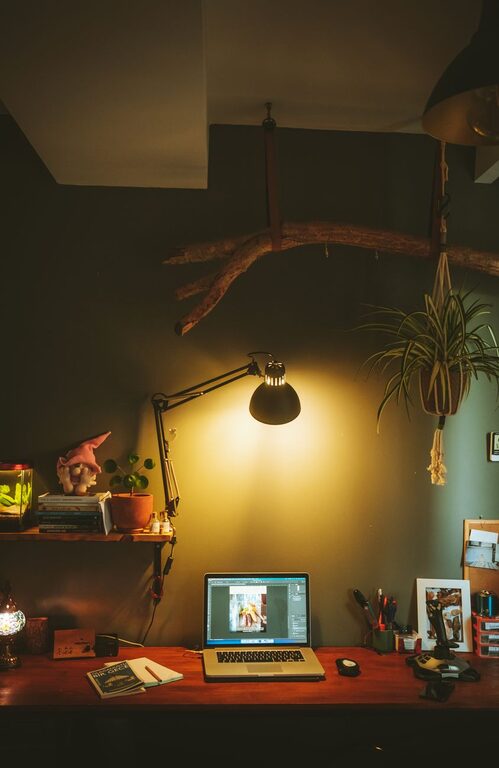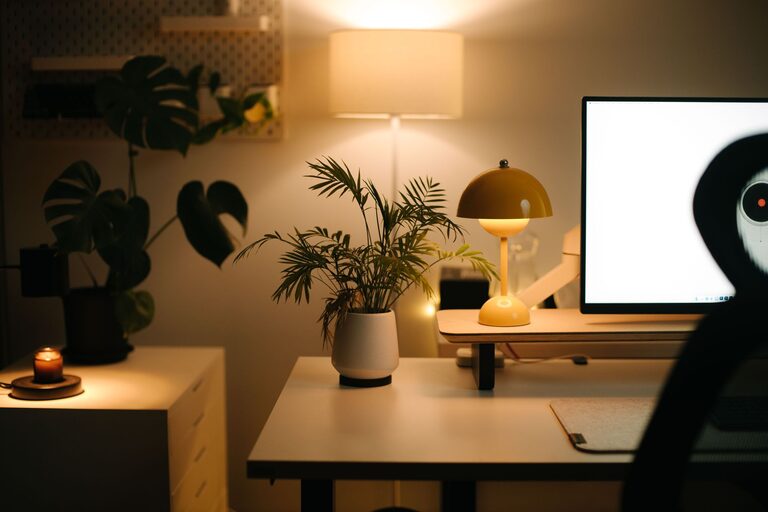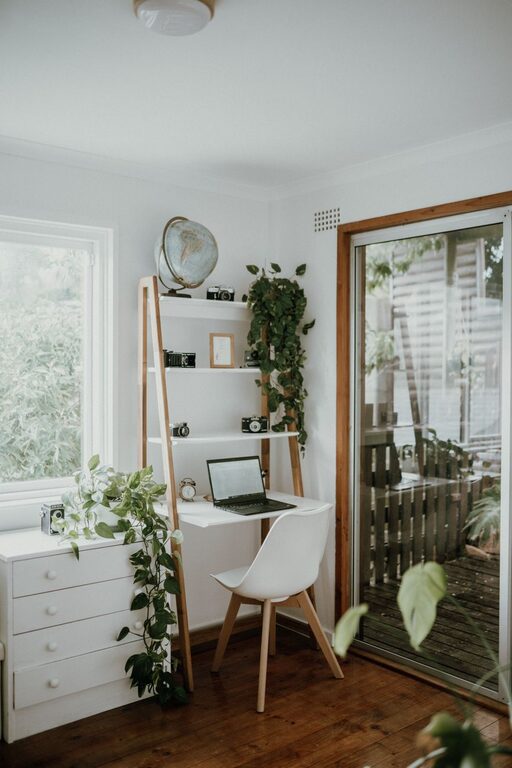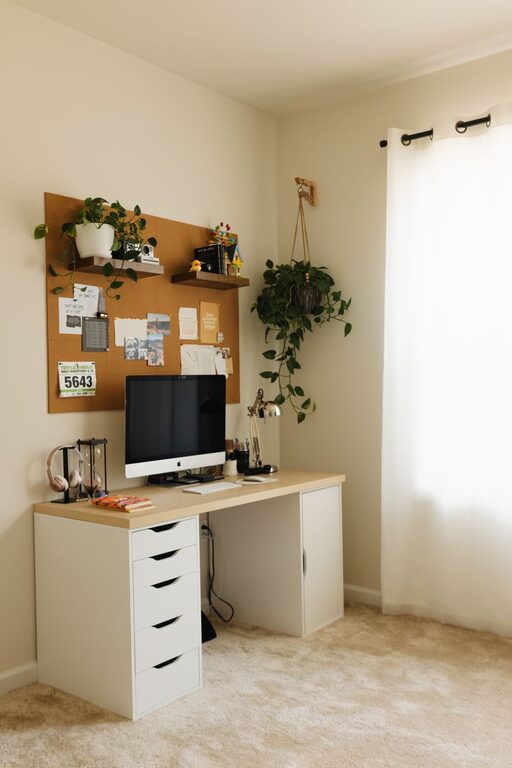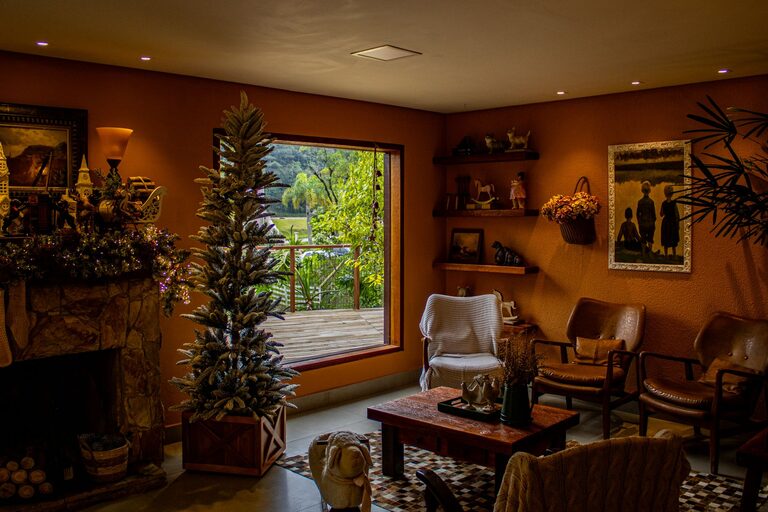

Creating a home office that is both relaxing and productive is essential for anyone who works remotely or spends significant time at their desk. A well-designed workspace can improve focus, reduce stress, and make work feel more enjoyable. Whether you have a dedicated room or a small corner in your living area, these tips can help you craft an environment tailored to your needs.
Choose the Right Location
Find a Quiet Spot
Start by selecting a space away from high-traffic areas and household distractions. A quiet corner or spare room can provide the peace needed to concentrate.
Consider Natural Light
Natural light improves mood and reduces eye strain. Position your desk near a window if possible, but avoid direct glare on your computer screen.
Invest in Comfortable Furniture
Ergonomic Chair and Desk
Comfort is key for long hours of work. Choose an ergonomic chair that supports your back and a desk at the right height to maintain good posture.
Adjustable Options
If possible, use an adjustable desk to alternate between sitting and standing. This can reduce fatigue and increase energy levels.
Organize to Maximize Efficiency
Declutter Your Desk
Keep only essential items on your desk to create a clean and inviting workspace. A clutter-free area helps clear your mind.
Use Storage Solutions
Incorporate shelves, drawers, or filing cabinets to store paperwork and supplies neatly. Labeling helps you find things quickly.
Personalize Your Space
Add Greenery
Plants not only brighten the space but also improve air quality and reduce stress. Choose low-maintenance plants like succulents or snake plants.
Use Calming Colors
Paint or decorate with soothing colors such as soft blues, greens, or neutrals. These hues create a peaceful atmosphere conducive to focus.
Include Personal Touches
Display photos, artwork, or inspirational quotes that motivate you without overwhelming the space.
Prioritize Proper Lighting
Use Layered Lighting
Combine ambient lighting with task lights like desk lamps. This helps reduce eye strain and keeps your workspace well-lit throughout the day.
Avoid Harsh Overhead Lights
Bright overhead lights can be tiring. Opt for softer bulbs or adjustable fixtures to control brightness.
Manage Technology Effectively
Minimize Cable Clutter
Use cable organizers or clips to keep cords tidy and out of the way, reducing distractions and hazards.
Invest in Quality Equipment
A reliable computer, comfortable keyboard, and clear headset enhance your ability to work efficiently.
Incorporate Break Areas and Movement
Designate a Relaxation Spot
If space permits, include a comfortable chair or small bench in your home office for breaks. This helps you shift gears during the workday.
Encourage Physical Movement
Take regular short breaks to stretch or walk around. Movement increases circulation and refreshes your mind.
Set Boundaries and Stick to a Routine
Define Work Hours
Establish clear start and end times to separate work from personal life, helping reduce burnout.
Communicate Boundaries
Let family or housemates know your schedule to minimize interruptions during focused work times.
Create a Routine
Include daily rituals like tidying your desk at the end of the day or setting a morning plan to maintain consistency.
Maintain Good Air Quality
Ventilation Matters
Open windows regularly for fresh air or use an air purifier to keep the environment healthy and comfortable.
Control Temperature
Keep your workspace at a comfortable temperature using fans, heaters, or air conditioners as needed.
Final Thoughts
Designing a home office that balances relaxation with productivity takes thoughtful planning and some experimentation. Focus on comfort, organization, personalization, and proper lighting to create a space where you enjoy working and can stay focused. Remember, a well-crafted home office supports not just your work but also your well-being. Take the time to adjust your setup as your needs evolve, and you’ll create a rewarding work environment right at home.
About the Author