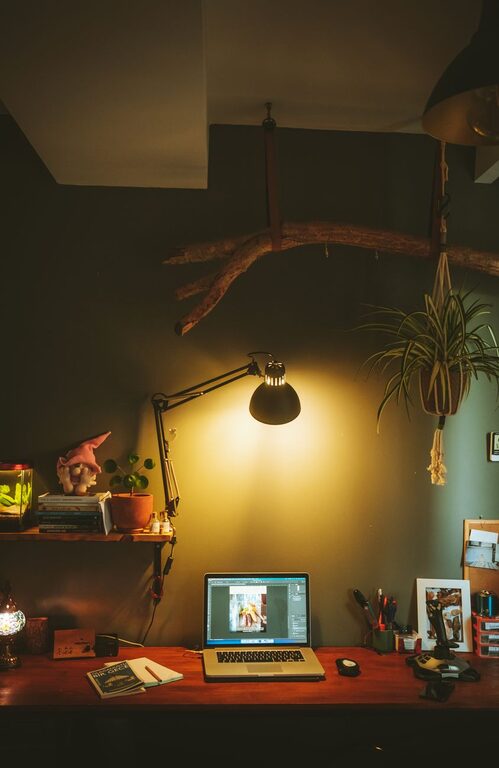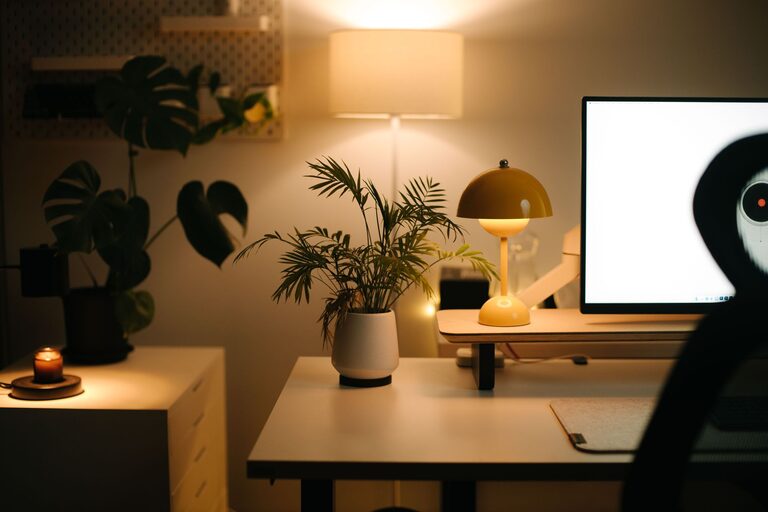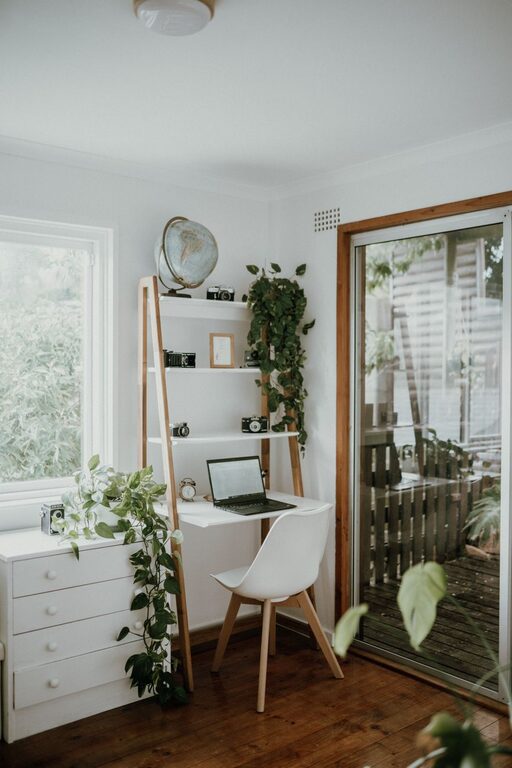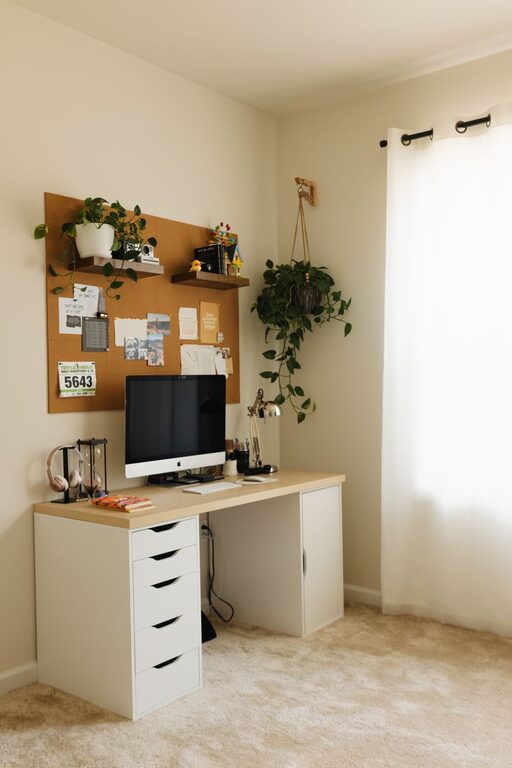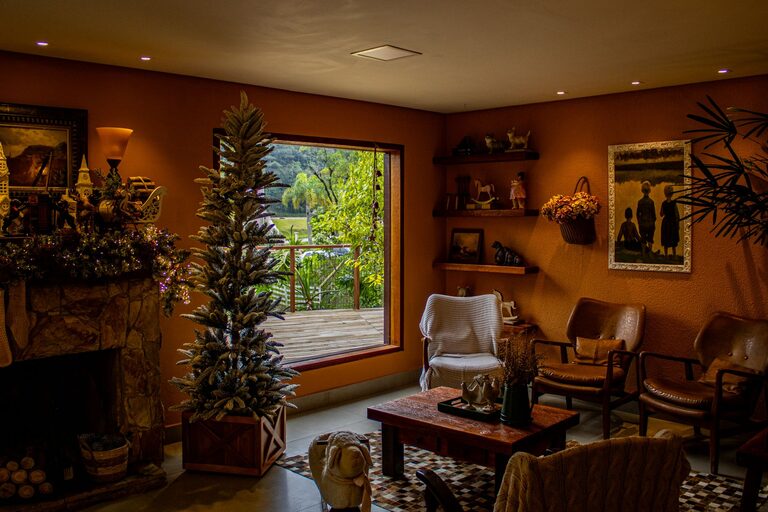

Creating a home office space that is both cozy and functional can greatly enhance your productivity and overall work experience. Whether you work remotely full-time, need a spot for occasional tasks, or are managing a home-based business, designing a space that supports your needs while feeling inviting is key. Here are practical tips to help you set up an effective and comfortable home office.
Choose the Right Location
Consider Natural Light
Selecting a spot with plenty of natural light can improve your mood and reduce eye strain. A room near a window or a well-lit corner is ideal. Avoid placing your desk directly in front of a window to prevent glare on your computer screen; instead, position it perpendicular to the light source.
Find a Quiet Area
A quiet location helps minimize distractions and lets you focus better. If possible, choose a room with a door to close out household noise. Alternatively, a corner away from busy areas can work well, especially with noise-cancelling headphones or soundproofing solutions.
Invest in Comfortable Furniture
Ergonomic Chair
Comfort is essential for long hours at the desk. An ergonomic chair that supports your lower back, encourages good posture, and adjusts to your height makes a big difference in preventing discomfort.
Appropriate Desk
Choose a desk that fits your space and work style. It should be large enough to hold your computer, documents, and any other tools you frequently use without feeling cluttered. Adjustable desks that allow sitting and standing options are a great bonus.
Add Storage Solutions
To keep your space organized, add shelves, drawers, or filing cabinets. Having dedicated spots for important papers and supplies helps reduce clutter and keeps your desk clear.
Personalize Your Workspace
Use Colors Wisely
Colors can influence mood and productivity. Soft, neutral tones tend to create a calming atmosphere, while pops of brighter colors can boost creativity and energy. Choose colors that make you feel comfortable and focused.
Add Personal Touches
Incorporate items that inspire you—a favorite photo, a small plant, or art pieces. These personal touches make the office feel welcoming and can increase your enjoyment of the space.
Consider Greenery
Indoor plants not only add visual interest but can also improve air quality and reduce stress. Low-maintenance options like succulents or pothos are perfect for office settings.
Optimize Lighting
Layer Your Lighting
Combine ambient lighting with task lights to create a well-lit workspace. Overhead lights provide general illumination, while desk lamps with adjustable brightness help you focus on specific tasks without straining your eyes.
Use Warm Light Bulbs
Warm light bulbs mimic natural daylight and make the space feel cozier. Avoid overly harsh, cool-toned lighting which can lead to fatigue.
Manage Cables and Electronics
Tidy Up Cords
Use cable organizers or clips to keep cords neatly bundled and out of sight. A clutter-free desk not only looks better but reduces distractions and the risk of accidents.
Tech Setup
Make sure your computer, printer, and other devices are placed for easy access. Wireless accessories and power strips with surge protection can improve convenience and safety.
Maintain Good Air Quality and Temperature
Ventilation
Good airflow prevents stuffiness and keeps you alert. Open windows when possible or use a fan or air purifier to keep the air fresh.
Comfortable Temperature
Keep the room at a comfortable temperature so you don’t get distracted by being too hot or cold. Having a small heater or fan nearby allows you to adjust your comfort as needed.
Establish Boundaries
Define Your Workspace Visually
If your home office is part of a larger room, use rugs, screens, or furniture placement to visually separate the work area. This helps mentally distinguish “work mode” from relaxation.
Set Work Hours
Even in a cozy home office, setting clear work hours helps maintain balance between professional and personal life. When the day is done, close the door or clear your desk to signal the end of work.
Keep It Clutter-Free
Daily Tidy-Up
Spend a few minutes at the end of each workday to clear papers, put away supplies, and organize your desk. A clean space promotes focus and helps you start fresh the following day.
Use Organizational Tools
Drawer dividers, trays, and containers keep small items within reach but out of sight. Labeling storage spots ensures everything has a place and is easy to find.
Final Thoughts
Designing a cozy and functional home office doesn’t require a complete overhaul or expensive equipment. By choosing the right location, investing in comfortable furniture, organizing thoughtfully, and adding personal touches, you can create a work environment that supports productivity and feels enjoyable. Remember, the best home office is one tailored to your unique needs and preferences. Take your time to experiment and adjust until you find the perfect balance for your space.
About the Author